
VENUE
Megaland Hotel Solo, Jl. Slamet Riyadi No. 351, Purwosari, Laweyan District, Surakarta City, Central Java 57142.
Nearby Hotel Options
- Arini Hotel Solo
Located very close to Megaland, making it a practical alternative with more affordable rates.
- Riyadi Palace Hotel Surakarta
Situated on the same main road, offering easy access to the city center and public facilities.
- Aston Solo Hotel
A well-appointed hotel with comprehensive facilities, ideal for both business and comfortable stays.
- Sala View Hotel
A modern hotel with a relaxed atmosphere, suitable for both leisure and business travelers.
ABOUT SOLO AND ITS SURROUNDINGS
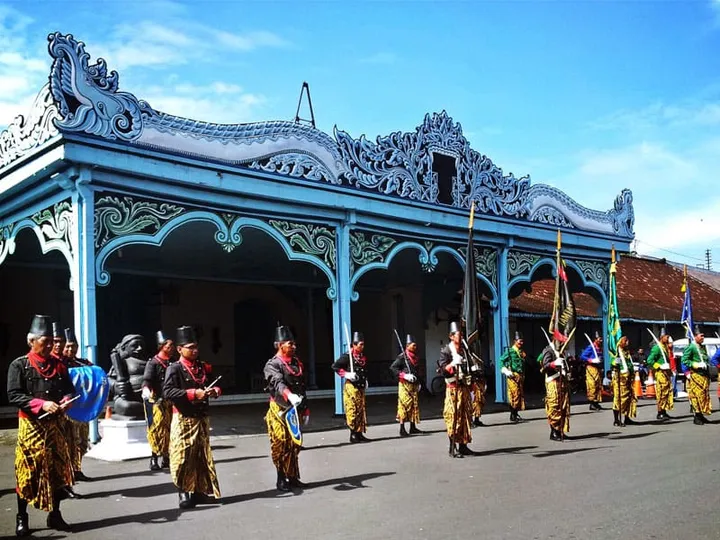
Solo, officially known as Surakarta, is a captivating cultural city located in Central Java, Indonesia. Widely regarded as one of the centers of Javanese culture, Solo offers visitors a rich and authentic experience shaped by centuries of tradition, art, and royal heritage. The city is known for its warm hospitality, relaxed atmosphere, and deep respect for cultural values, making it an inviting destination for both local and international travelers.
At the heart of Solo’s cultural identity are the historic Keraton Surakarta and Pura Mangkunegaran, two royal palaces that continue to preserve and celebrate Javanese traditions. Visitors can enjoy classical Javanese dance performances, gamelan music performances, and rich cultural ceremonies throughout the year. Solo is also internationally recognized as one of Indonesia’s leading batik centers and has been designated as a UNESCO Creative City.
With excellent accessibility, modern facilities, diverse accommodation options, and a vibrant culinary scene, Solo is an ideal destination for international conferences and travelers. Its surrounding areas further enrich the experience with unique cultural, historical, and natural attractions.
CANDI SUKUH
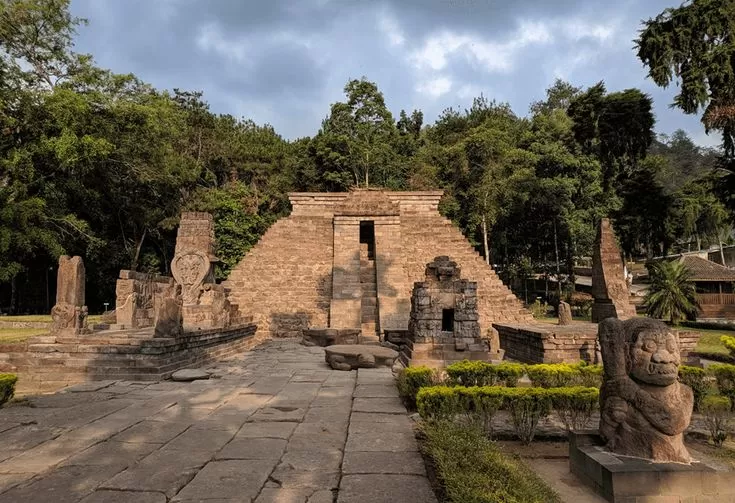
Candi Sukuh is a unique ancient Hindu temple located on the western slopes of Mount Lawu, Karanganyar Regency, Central Java, approximately 35–40 km from Keraton Surakarta Hadiningrat (Solo). Dating back to the 15th century, the temple is renowned for its distinctive architectural style and symbolic reliefs, which differ significantly from other classical Javanese temples.
Set amid cool mountain air and scenic landscapes, Candi Sukuh offers visitors a peaceful atmosphere and a fascinating insight into Java’s spiritual and historical heritage. The site is especially attractive to those interested in history, culture, and archaeology, as well as visitors seeking panoramic views and a serene natural environment.
RUMAH ATSIRI SOLO
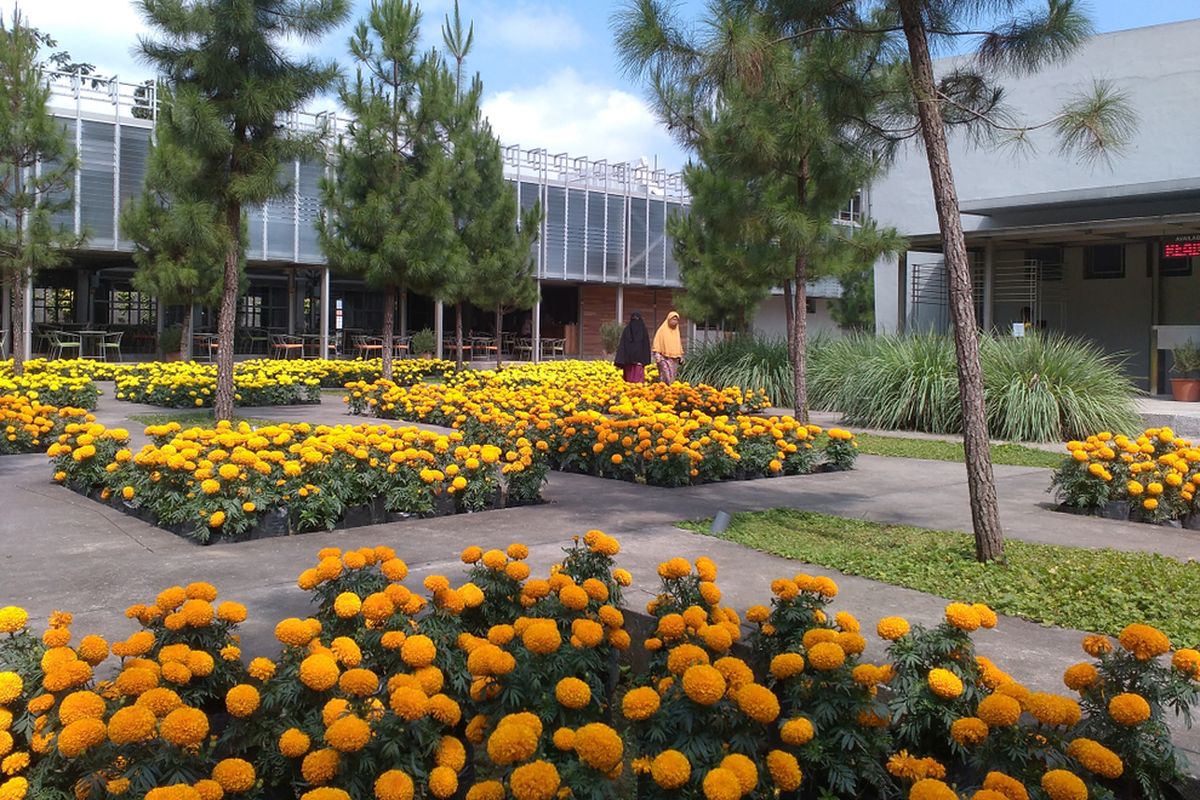
Rumah Atsiri Solo is a modern cultural and tourism destination dedicated to Indonesia’s rich heritage of essential oils and aromatic plants. Located in a lush and tranquil setting in Tawangmangu, Karanganyar Regency, Central Java, this destination is approximately 45 km from Keraton Surakarta Hadiningrat (Solo) and can be reached in about 1.5–2 hours by car, depending on traffic conditions.
Visitors can explore beautifully designed aromatic gardens, interactive exhibitions, and creative workshops that showcase the history and production of essential oils in Indonesia. Rumah Atsiri Solo also offers culinary experiences and relaxing spaces, making it an ideal destination for leisure, inspiration, and sustainable tourism.
MUSEUM SANGIRAN
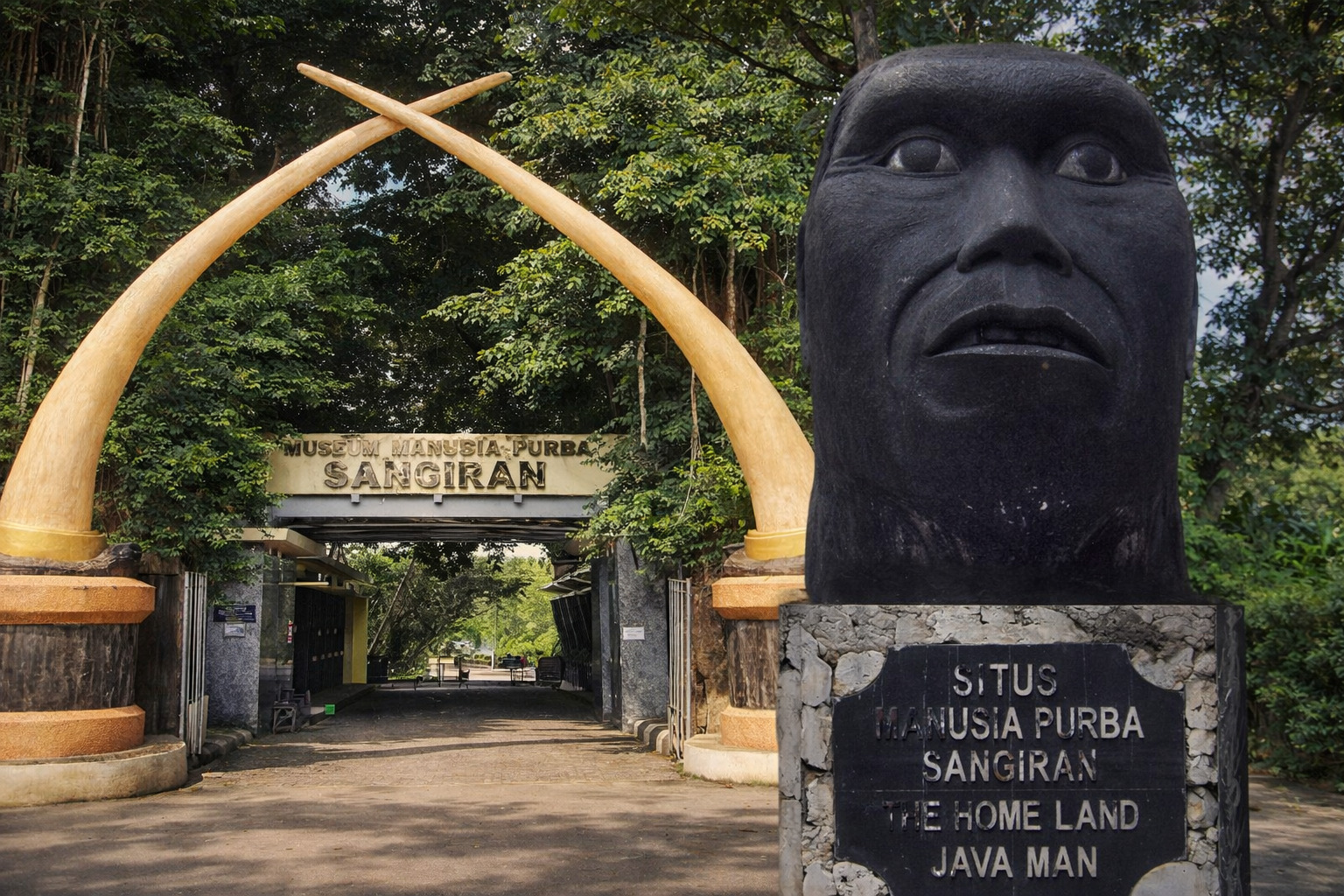
Museum Sangiran is one of the most important archaeological and paleoanthropological sites in the world, located in Sragen Regency, Central Java, approximately 15 km north of Surakarta (Solo). Recognized as a UNESCO World Heritage Site, Sangiran is renowned for its significant contributions to the study of early human evolution, particularly the discovery of Homo erectus (commonly known as Java Man).
The museum complex presents a comprehensive collection of fossils, ancient tools, and geological exhibits that illustrate the evolution of humans, animals, and the natural environment over more than one million years. Through modern exhibition design and informative displays, Museum Sangiran offers visitors an engaging educational experience, making it a key destination for researchers, students, and visitors interested in archaeology, history, and human origins.
CANDI PRAMBANAN
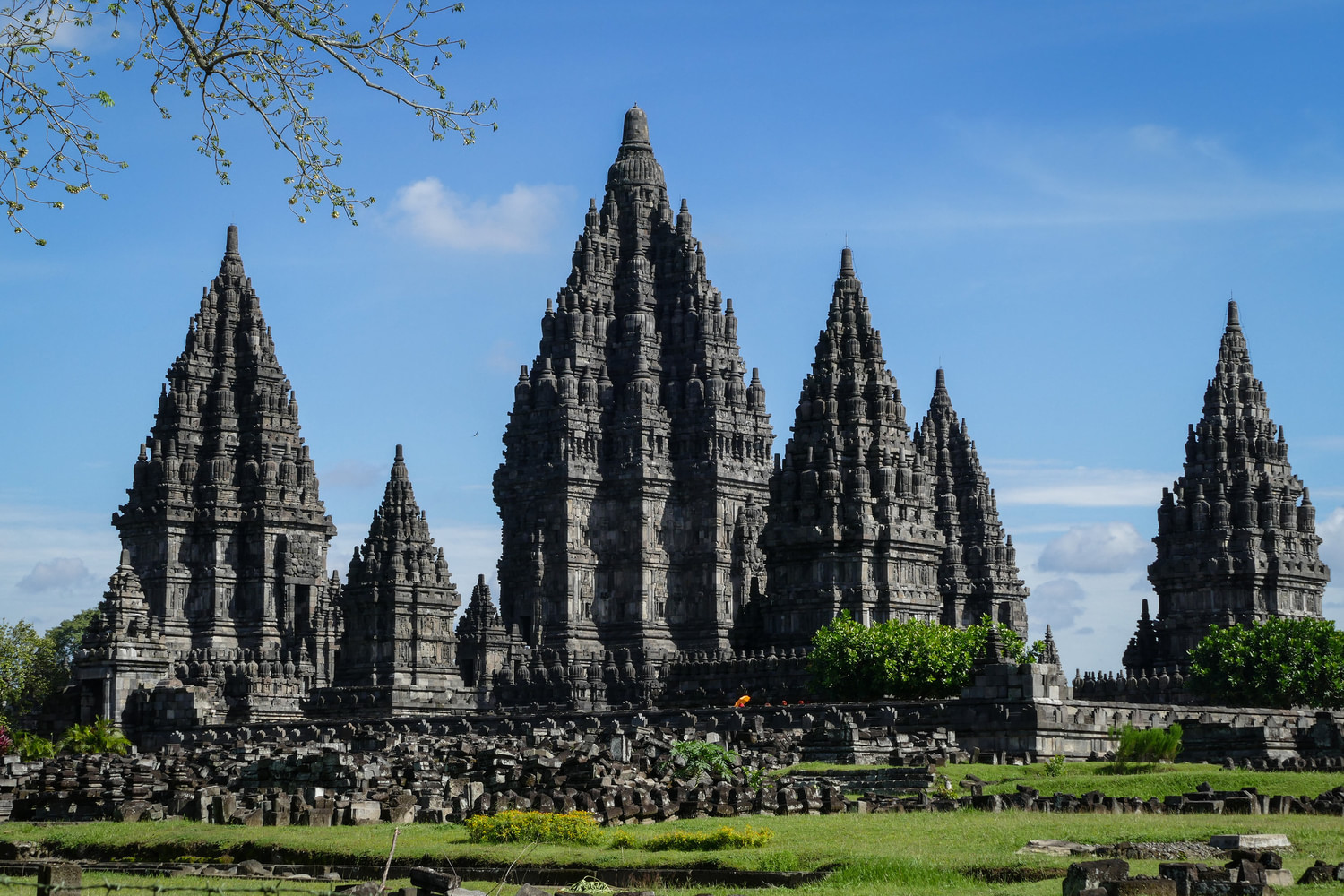
Candi Prambanan is the largest Hindu temple complex in Indonesia and one of Southeast Asia’s most magnificent cultural heritage sites. Located in Yogyakarta, approximately 55 km from Surakarta (Solo), this 9th-century temple complex is dedicated to the Hindu Trimurti—Brahma the Creator, Vishnu the Preserver, and Shiva the Destroyer.
Renowned for its towering and elegant architecture, Candi Prambanan features richly carved relief panels depicting the epic stories of the Ramayana and Krishna. As a UNESCO World Heritage Site, Prambanan represents a masterpiece of classical Javanese art and architecture, offering deep insight into the religious, cultural, and artistic achievements of ancient Java. Surrounded by a vast archaeological park and scenic landscapes, Candi Prambanan remains a symbol of Indonesia’s rich historical legacy and an iconic destination for cultural tourism.